
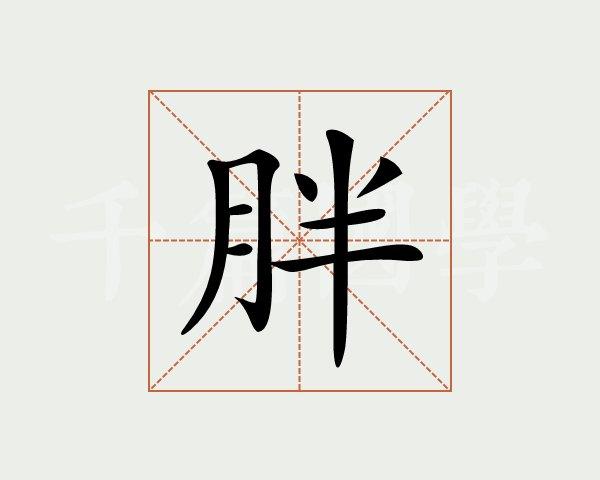
胖能组什么词?这是一道令人有些困惑的问题,因为胖能并不是一个常见的词汇。不过,我们可以从胖能两个字的含义出发,通过联想、创新等方式,来组成一系列有趣、有趣和有启发的词汇。以下是我的800字文章:
胖能,即形容一个人很胖,很能吃,很能动。它虽然不常见,但只要我们稍加联想和创造,就会惊奇地发现,它能组成许多奇妙的词汇。
首先,我们来看看“胖”这个词。它除了和“能”组成“胖能”外,还可以和其他词组合成形容词和名词。例如,我们可以把它和“脸”组成“胖脸”,形容一个人的脸很胖,也可以把它和“肚子”组成“胖肚子”,形容一个人的肚子很大。如果我们想要把它和“嘴”组合成一个形容词怎么办?没问题,我们可以想象一个人的嘴吃起东西来很能干,最终得到“胖嘴”的词汇。
接下来,我们再看看“能”这个词。它除了和“胖”组成“胖能”外,还可以和其他词组成形容词和名词。例如,我们可以把它和“力量”组成“能力量”,形容一个人很有力气,也可以把它和“智慧”组成“能智慧”,形容一个人很聪明。如果我们想要把它和“干劲”组合成一个形容词怎么办?没问题,我们可以想象一个人很有干劲的样子,最终得到“能干劲”的词汇。
当然,我们也可以把“胖能”不仅仅视为两个词的组合,而是一个全新的词汇。像“胖瘦”、“高低”、“远近”等一样,我们也可以通过去掉中间的分隔符,把“胖能”组成一个新的词汇。例如,我们可以说“他的胖能真是了得”,意思是“他的身材真的很胖,但他吃得也很厉害,动起来也很厉害”。
Perhaps the most interesting thing about “fat energy” is that it can be used as a creative spark to generate new and unexpected concepts. For example, we might think about how to describe a person who is both fat and full of energy. We could combine “fat” and “energy” to create the word “fatnergy,” which might describe someone who is both fat and has a lot of vitality. Similarly, we might think about how to describe a person who eats a lot but doesn’t gain weight. In this case, we could combine “fat” and “metabolism” to create the word “fatbolism.”
In conclusion, while “fat energy” may seem like an unusual and limiting phrase at first glance, it can actually be a powerful source of inspiration and creativity. By thinking about the different ways in which its two constituent words can be combined and recombined, we can generate new and interesting vocabulary that expands our understanding of what language is capable of expressing. Ultimately, the only limit to what “fat energy” can mean is the limit of our own imagination.


