
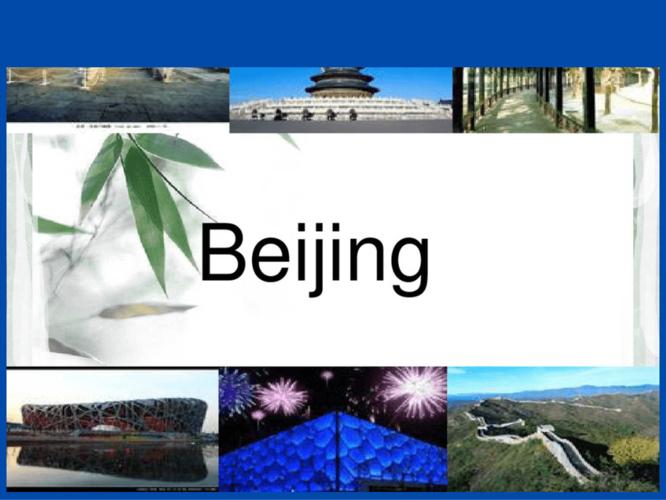
Beijing is a city rich in history and culture, and is a top tourist destination in China. If you’re planning a trip to the city, a 5-day itinerary will provide enough time to explore the major attractions. Here’s a breakdown of activities and estimated costs for a 5-day trip to Beijing.
Day 1
On your first day in Beijing, head to Tiananmen Square to start your journey. The square is the world’s largest public square and is home to the Monument to the People’s Heroes and the Mao Zedong Memorial Hall. The square is free to visit and offers a great starting point for exploring Beijing.
Next up, take a walk through the Forbidden City, which is located just north of the square. This palace complex is the former imperial residence of Chinese emperors, and is renowned for its architecture, art and history. Entrance fees cost around $10, and you can easily spend a few hours exploring the complex.
In the evening, head to Donghuamen Night Market to sample local street food. The market offers a range of food stalls, including scorpions, silk worms and candied fruits. You can sample several dishes for around $10.
Day 2
On your second day, get up early and head to the Mutianyu section of the Great Wall. The section is less crowded than other parts of the wall, and has been well-preserved. The entrance fee is approximately $10 and the round trip cable car will cost around $16. Take a walk along the wall and marvel at the incredible views of the surrounding countryside.
After your visit to the Great Wall, head to the Summer Palace, located in the western suburbs of Beijing. The palace is a classic example of Chinese garden design and is home to a variety of temples, gardens, and lakes. Entrance fees cost around $10.
In the evening, visit the Houhai area, which is famous for its bars, restaurants, and nightlife. You can enjoy a beer for around $3 and a food dish for around $10.
Day 3
On your third day, visit the Temple of Heaven, which was a sacrificial complex for the Ming and Qing emperors. The temple is a UNESCO World Heritage Site and is renowned for its architecture and historical significance. The entrance fee is approximately $10.
Next up, explore the Beijing hutongs, which are narrow alleys that date back to the Qing Dynasty. Take a rickshaw ride through the hutongs and visit a traditional Beijing courtyard house. You can expect to pay around $20 for a rickshaw ride.
In the evening, watch a traditional Beijing Opera performance at the Liyuan Theater. The performance lasts around 2 hours and tickets cost around $30.
Day 4
On your fourth day, visit the Lama Temple, also known as the Yonghe Temple. The temple is one of the largest and most important Tibetan Buddhist monasteries in the world, and is a spectacular example of Chinese architecture. The entrance fee is approximately $10.
Next up, pay a visit to the National Museum of China, which is the largest museum in the country. The museum houses a vast collection of Chinese art and historical artifacts. The admission is free.
In the evening, head to the Sanlitun area, which is known for its luxury shopping, restaurants, and bars. You can expect to pay around $15 for a cocktail.
Day 5
On your final day in Beijing, visit the Beijing Zoo. The zoo houses over 7,000 animals and is home to some of China’s most famous animals, such as the giant panda. The entrance fee is approximately $10.
Next up, visit the Beijing National Stadium, also known as the “Bird’s Nest”. The stadium was the main venue for the 2008 Olympics and is now a popular tourist attraction. The entrance fee is around $10.
In the evening, take a walk through Wangfujing Street, which is one of the most famous shopping streets in Beijing. The street is home to plenty of shops and food stalls, which offer a great taste of local life. You can sample local dishes for around $5.
Overall, budgeting around $70-100 per day will provide enough money to see most of the major attractions and to sample local foods. Whether you’re a history buff or just enjoy trying new foods, Beijing offers something for everyone.


